Why Hidden Moisture is a Serious Problem
Most commercial roof failures don't start where you see them.
Moisture often enters through seams, fasteners, or penetrations and becomes trapped inside the insulation layer.
Because it spreads beneath the membrane, the roof may appear completely normal from the surface while the system is slowly deteriorating internally.
Thermal imaging allows roofing professionals to detect this hidden moisture before visible leaks occur.
How Thermal Roof Inspections Work
Thermal inspections are performed when environmental conditions allow the roof to store and release heat.
Thermal cameras capture heat signatures across the roof surface.
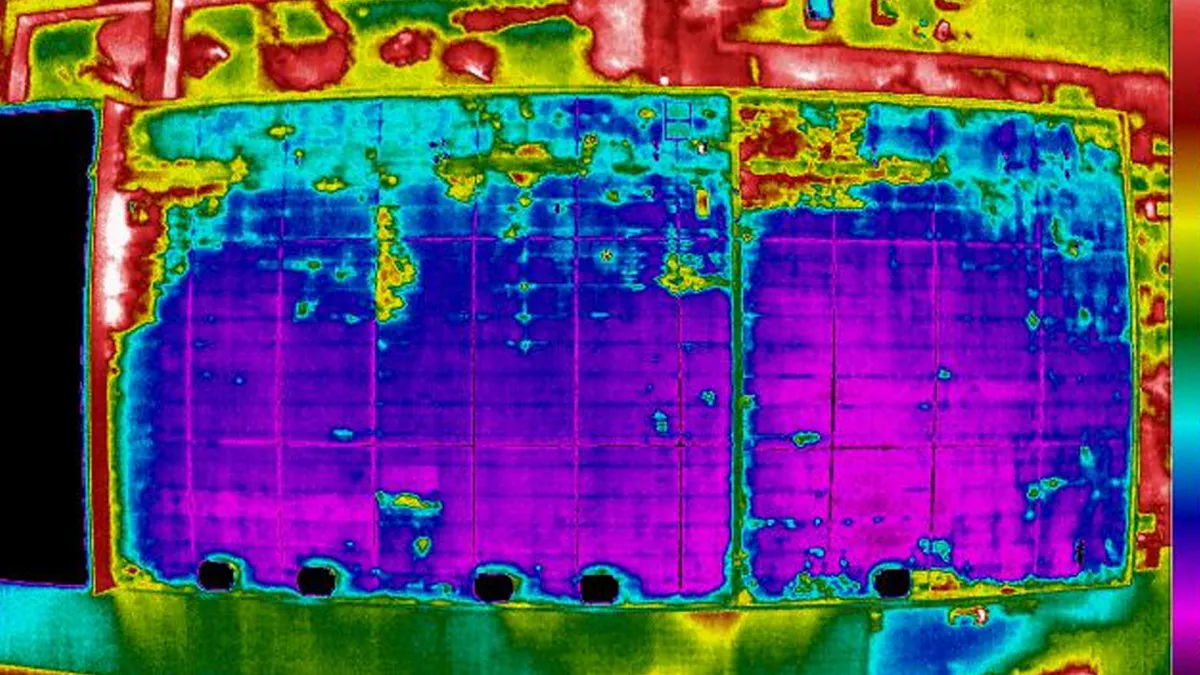
Areas with trapped moisture retain heat longer than dry areas, allowing inspectors to map potential saturation zones across the system.
Thermal Drone Imaging
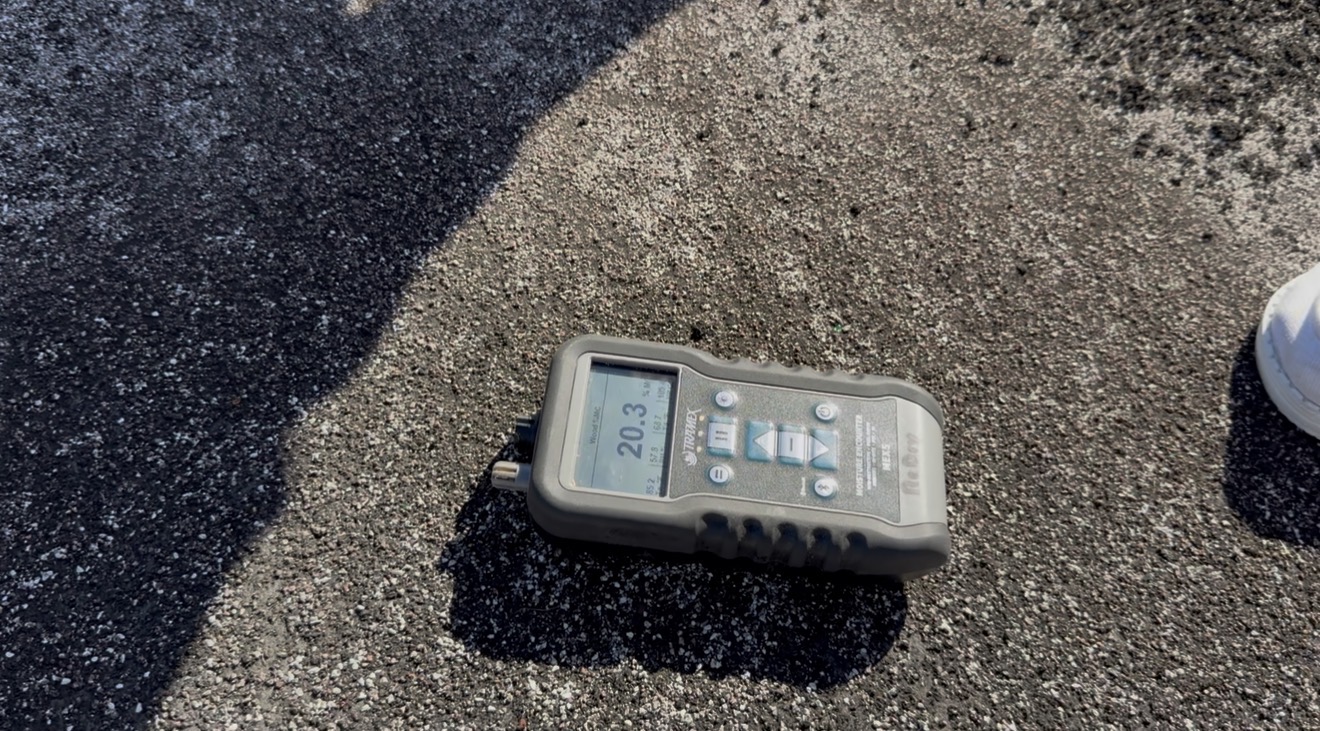
Tramex Dec Scanner
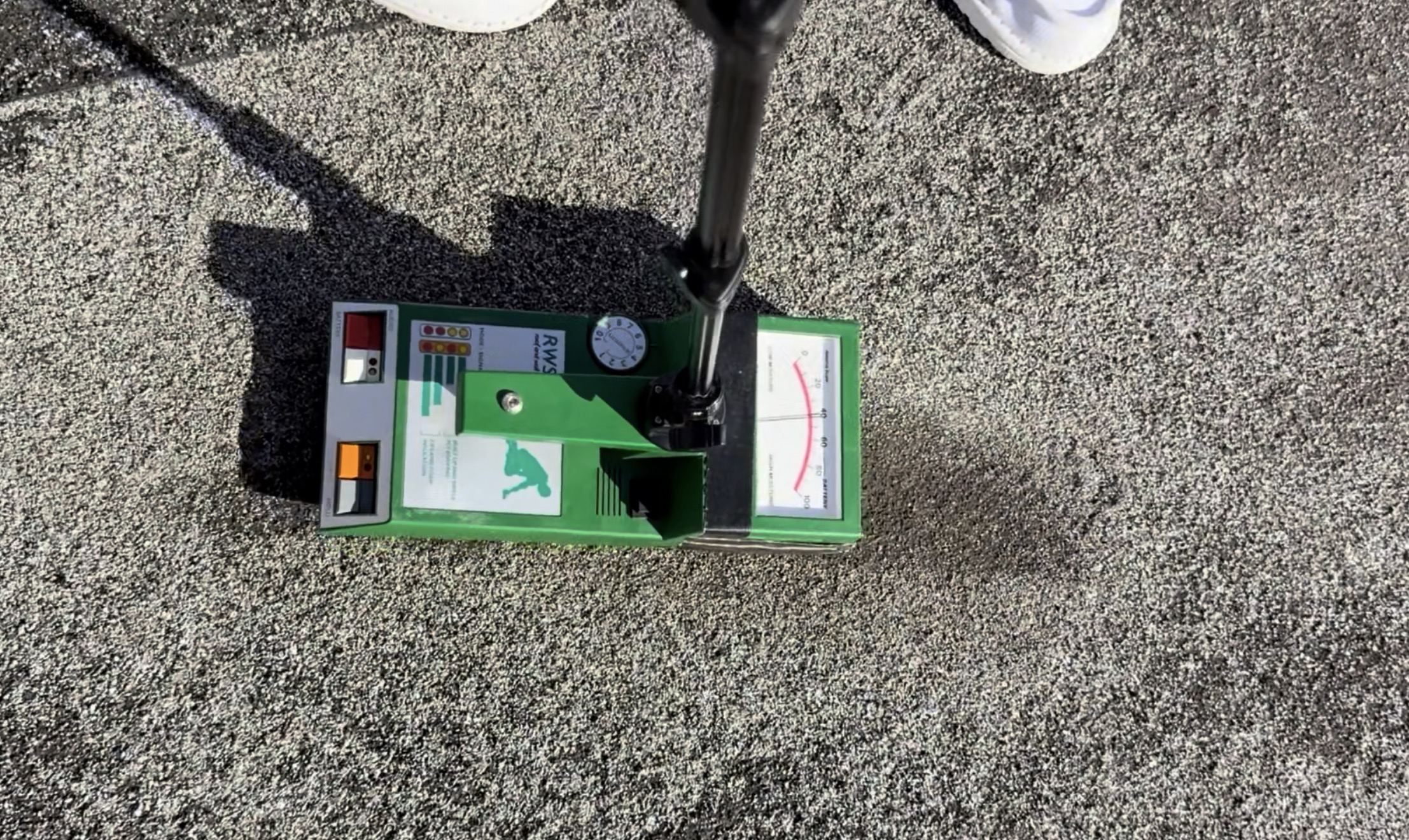
Moisture Probing
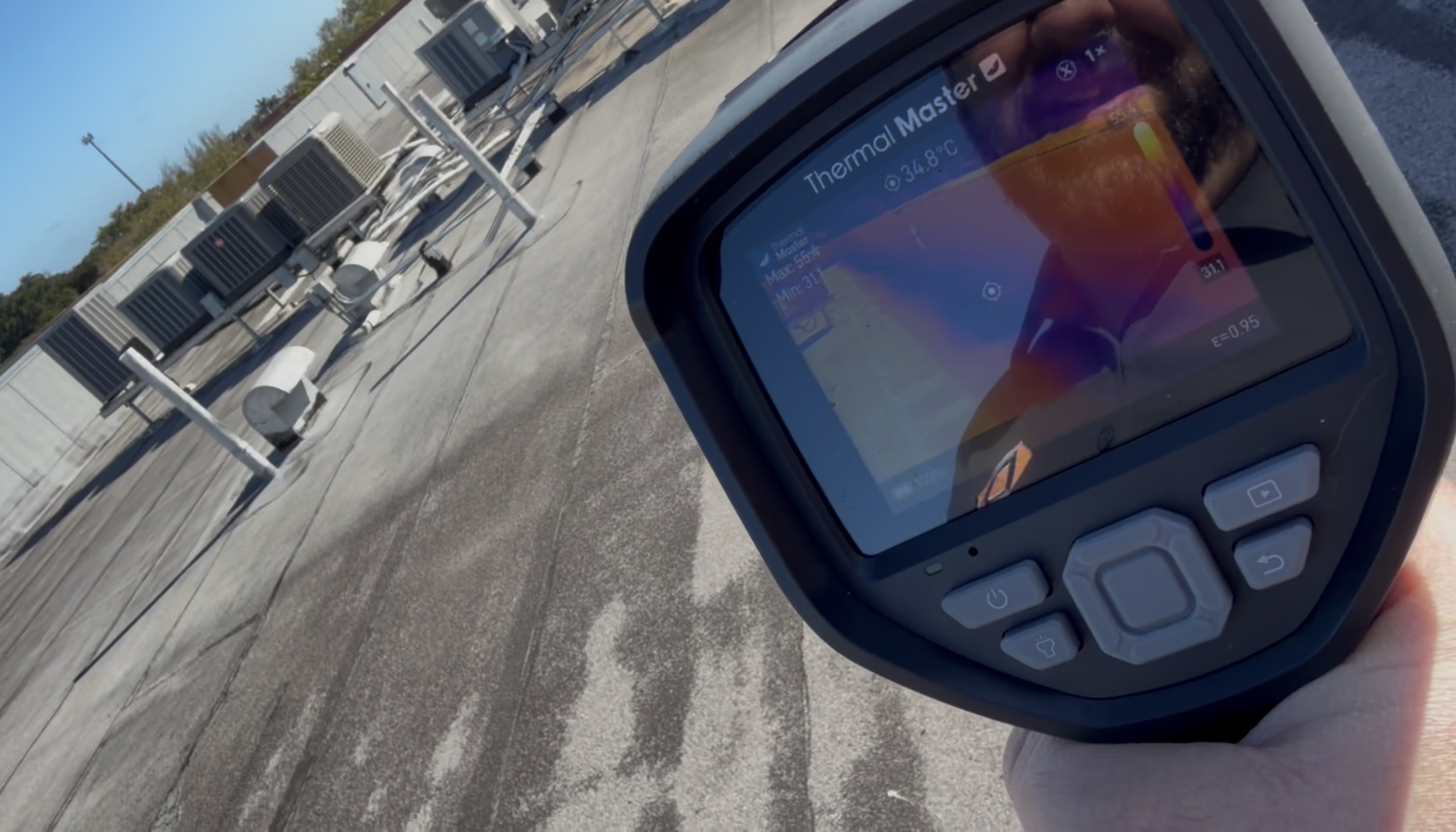
Handheld Thermal Imaging
Thermal Imaging Detection
Infrared Scanning
Thermal cameras capture heat signatures across the roof surface.
Areas with trapped moisture retain heat longer than dry areas, allowing inspectors to map potential saturation zones across the roof system.
Moisture Mapping & Verification

Once thermal anomalies are identified, additional testing methods such as moisture meters or core samples may be used to confirm conditions.
This allows building owners to understand exactly where moisture is present and how much of the system is affected.
Targeted Repair Planning

Tax Treatment
In many cases, restoration qualifies as a repair under IRS Section 179. Eligibility varies by ownership structure and should be confirmed independently.

Operational Cost Reduction
Reflective systems can reduce surface temperatures and lower cooling demand. Actual savings depend on climate, building use, and system design.

Waste Avoidance
Restoration avoids tear-off and landfill disposal, extending the life of the existing roof system.

No Operational Interuption
Systems are applied over existing roofs without disrupting interior operations or business continuity.

Capital Efficiency
Restoration typically requires less time, labor, and capital than full replacement - when eligibility criteria are met.
Long-Term Weather Protection
Manufacturer-backed warranties of up to 20+ years are available when installation and maintenance standards are met.

Nationwide Coverage for Qualified Projects
Royalty Roofing Systems maintains a national network of certified applicators.
Once a project is approved, the appropriate contractor is assigned based on roof type, system requirements, and operational constraints.
This ensures consistency, accountability, and long-term performance - not rushed installs or mismatched crews.

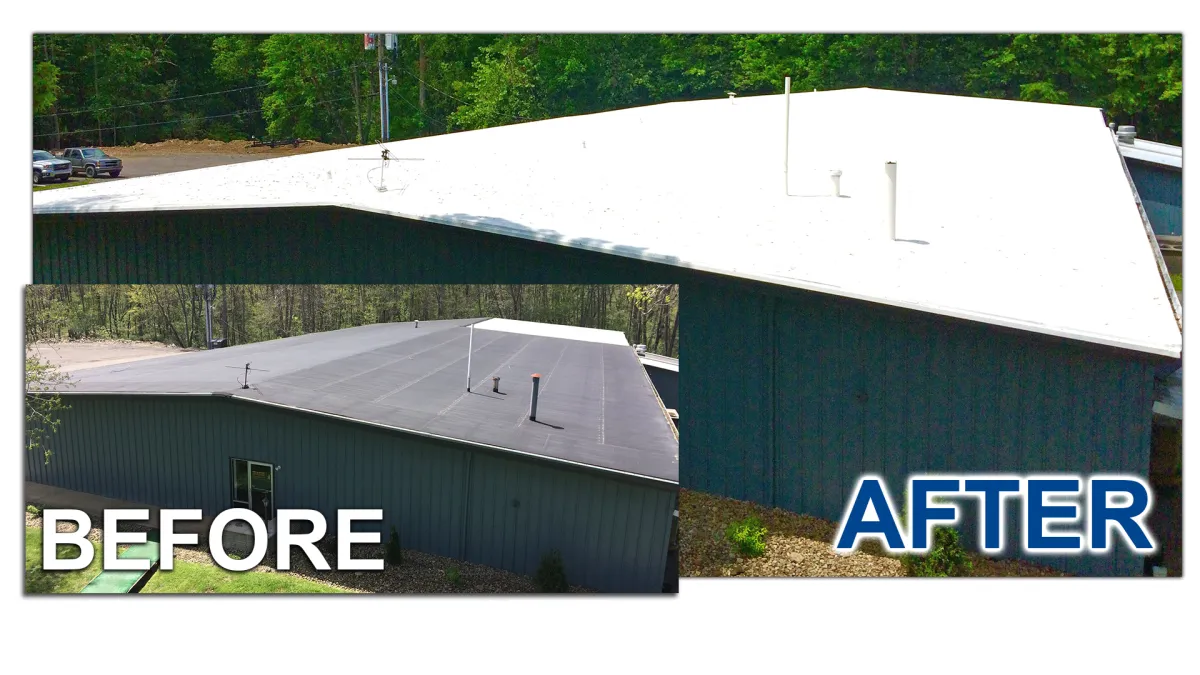
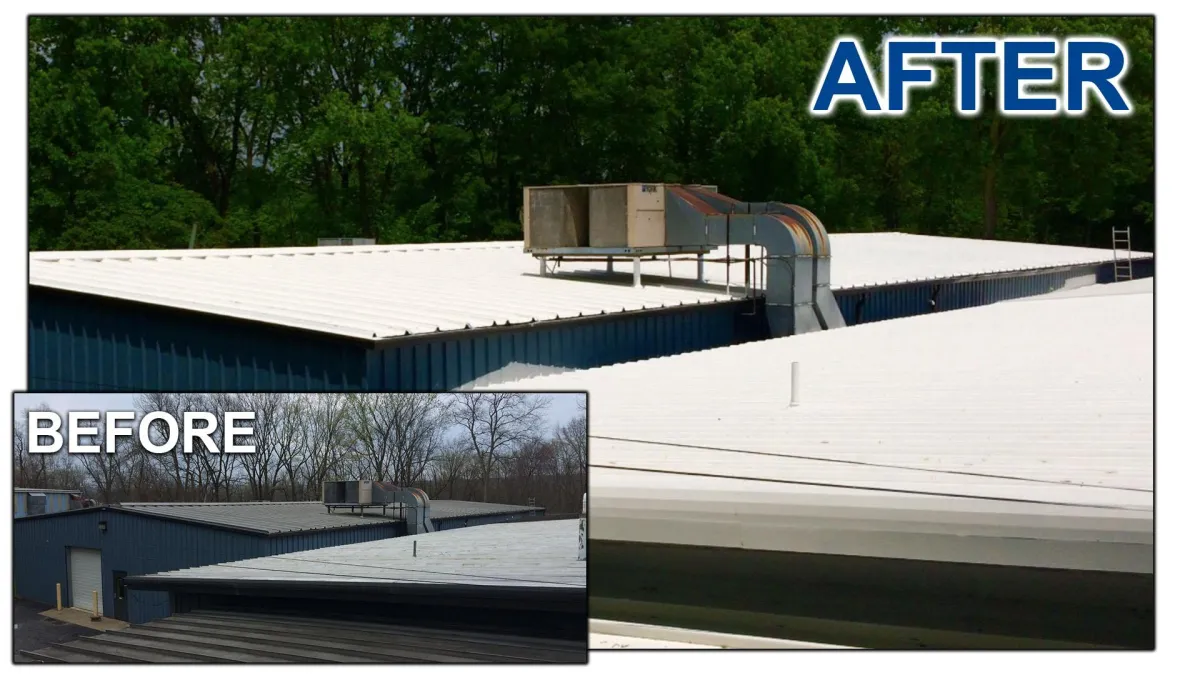
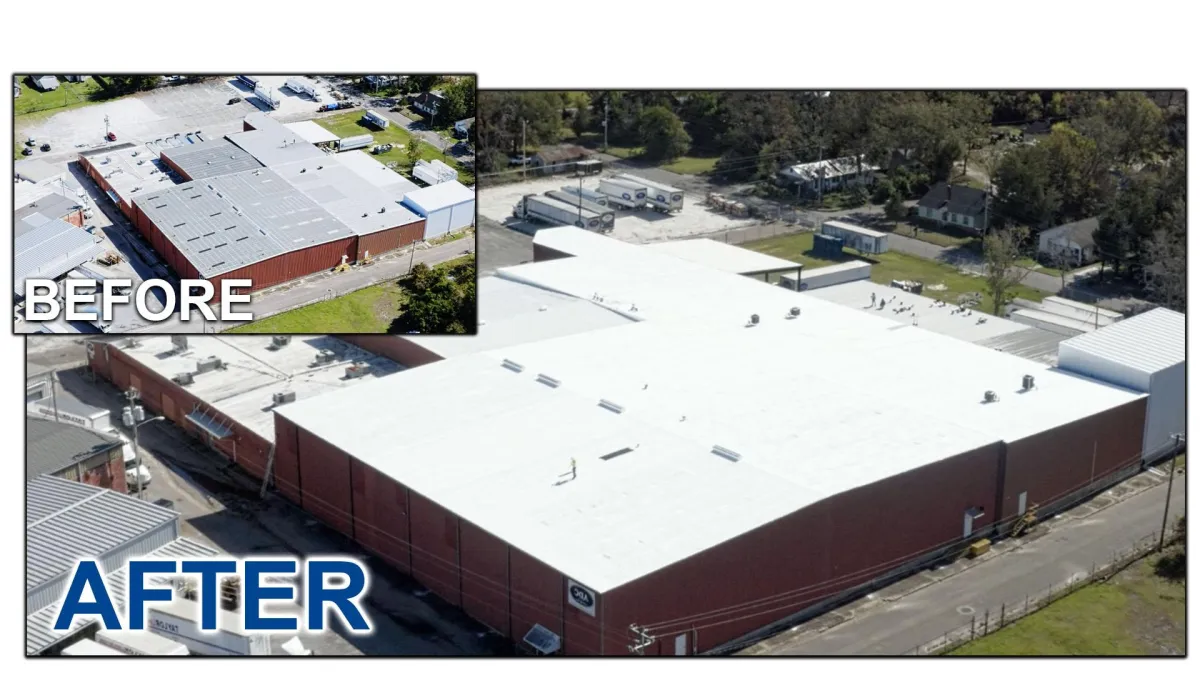
Roof Transformations
For Qualified Owners Only