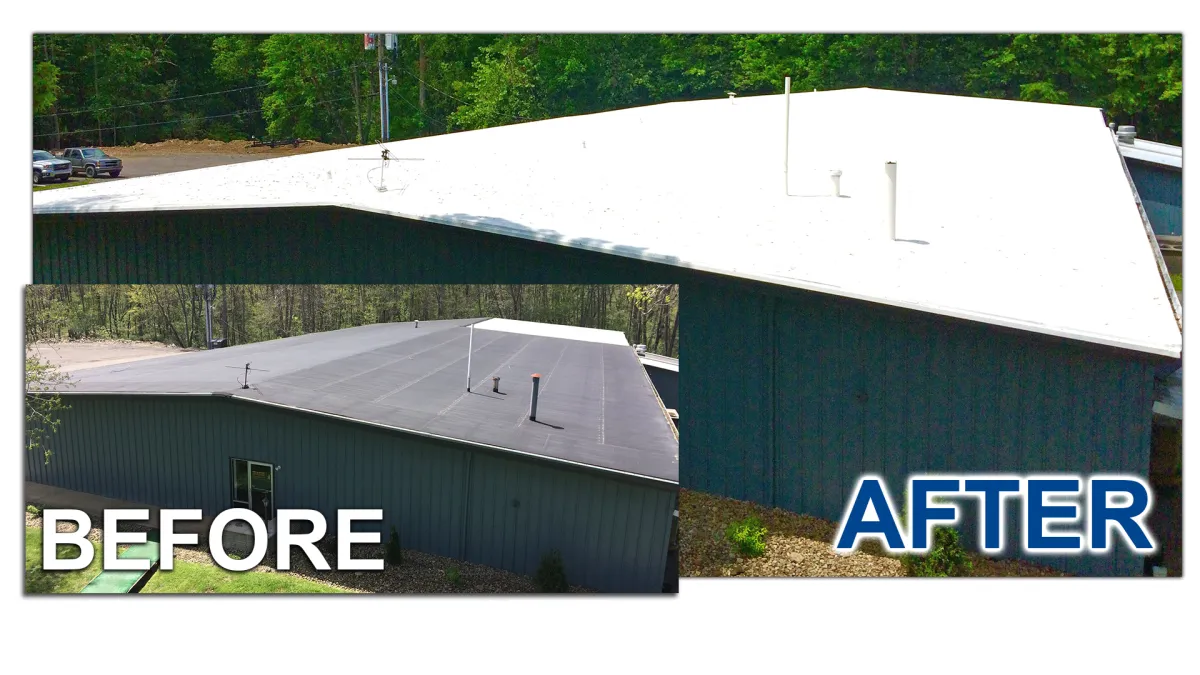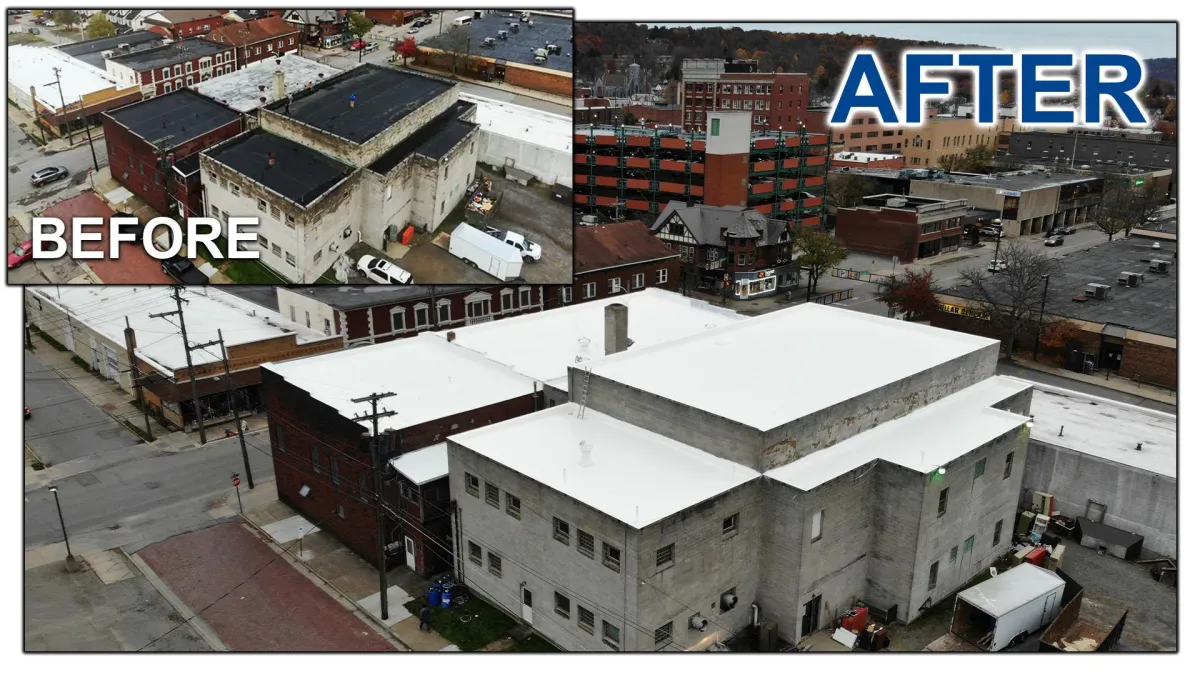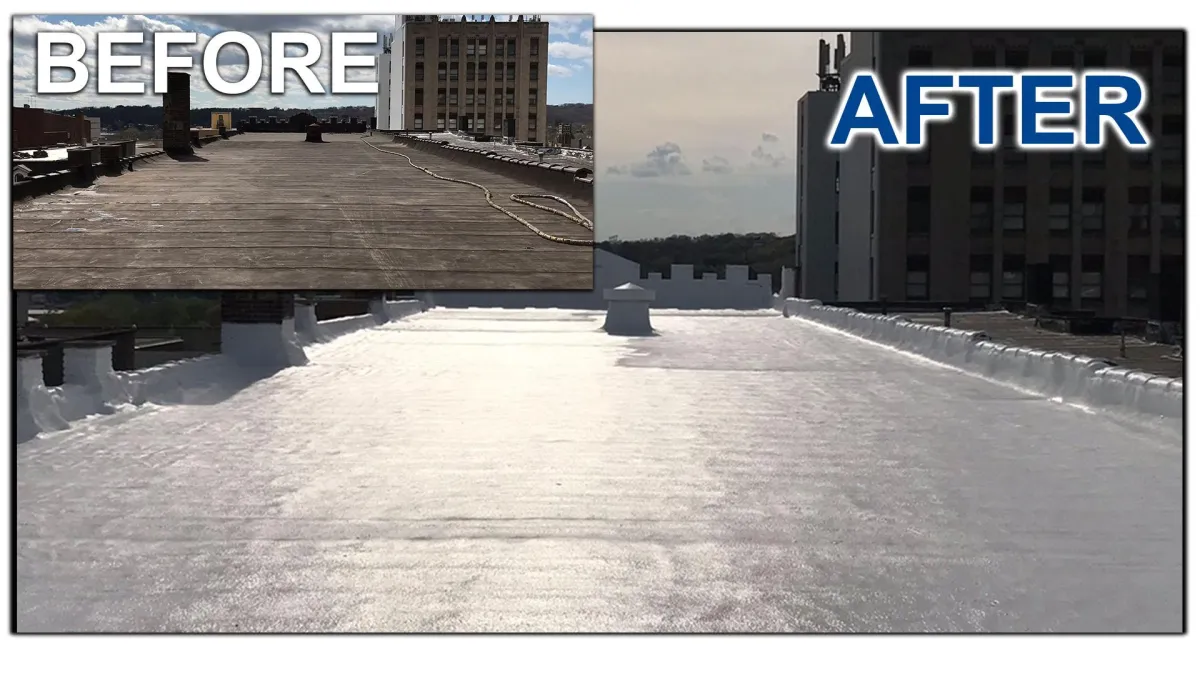
When Roof Replacement Isn't an Option, Qualified Owners Choose Restoration
A commercial roof restoration system for occupied buildings, budgets, and long-term asset protection.
If you are just exploring options, collecting quotes, or not responsible for the final decision - this is not a fit.
If you are just exploring options, collecting quotes, or not responsible for the final decision - this is not a fit.
How the System Works
Restoration is considered only when structural, financial, and operational criteria are met.

Surface Conditions Are Corrected
Flat roof substrates are cleaned, dried, and conditioned to ensure proper adhesion and long-term system performance.

Seams, Penetrations, and Transitions Are Reinforced
All seams, penetrations, and termination points are sealed and reinforced as part of a continuous system

A Monolithic Protective Membrane is Applied
A seamless, liquid-applied membrane is installed across the entire flat roof surface
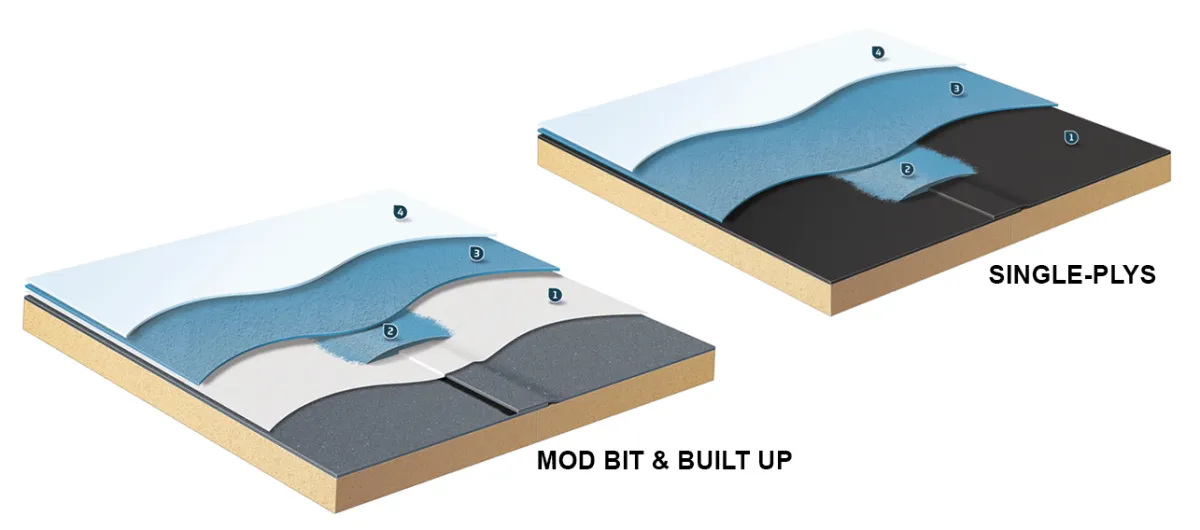
System Compatibility is Determined - Not Chosen
Eligibility is based on roof type, condition, and structural viability. Not all systems are applicable to all roofs.
System Enhancements - Applied Only When Justified

Insulated Restoration (When Required)
Insulation is incorporated only when energy loss, interior conditions, or operating costs justify it. This is determined during evaluation - not requested upfront.
Unchecked Heat Gain Accelerates Roof Failure
This system is installed to reduce thermal stress and extend roof service life - not as an aesthetic upgrade.
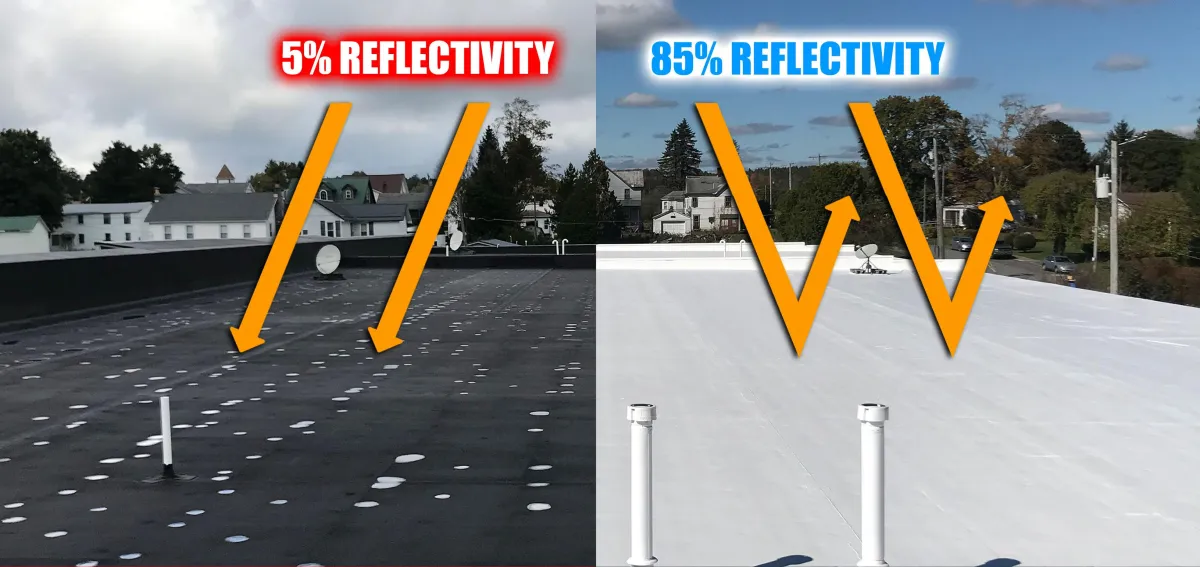

Reflective coatings reduce surface temperatures significantly, lowering thermal cycling that contributes to faster failure, seam movement, and premature degradation.
Why Qualified Owners Choose Restoration Over Replacement

Tax Treatment Depends on Classification
In many cases, restoration qualifies as a repair under IRS Section 179. Applicability varies by ownership structure and should be confirmed independently.

Operational Cost Reduction (Where Applicable)
Reduced surface temperatures can lower cooling demand. Actual savings depend on building use, climate, and system configuration.

Waste Avoidance Through Restoration
Restoration avoids tear-off, landfill disposal, and unnecessary material waste - extending the life of the existing asset.

No Operational Interuption
Systems are applied over existing substrates without disrupting interior operations. Business continuity is maintained throughout installation.

Capital Efficiency
Restoration typically requires less labor, less time, and fewer resources than replacement - when eligibility criteria are met.
Long-Term Weather Protection
Manufacturer-backed warranties of up to 20 years or more are available when installation and maintenance standards are met.
Nationwide Coverage for Qualified Projects
Royalty Roofing Systems maintains a national network of certified applicators.
Once a project is approved, the appropriate contractor is assigned based on roof type, system requirements, and operational constraints.
This ensures consistency, accountability, and long-term performance - not rushed installs or mismatched crews.

Roof Transformations